Stay Compliant: Commercial Gas Safety for SMEs
Running a business in East Lancashire presents a fair share of responsibilities and obligations, and one which cannot afford to be overlooked is commercial gas safety. Whatever premises you hold and whatever business you’re running, be it an office in Burnley, a restaurant in Blackburn, or a warehouse in Accrington, gas safety obligations must be adhered to. It can feel like an arduous box-ticking exercise, but it’s pivotal for protecting your staff, customers and business reputation.
Even as this region makes exciting strides in energy-efficient heating upgrades, many commercial premises still adopt legacy infrastructure, and until such a time comes when these are replaced, mandatory testing and certification is still enforced.
Your legal requirements for Gas Safety
Under the Gas Safety (Installation and Use) Regulations 1998, every business with gas appliances must ensure they are inspected annually by a Gas Safe registered engineer. This applies to all commercial gas equipment, including boilers, water heaters, cookers, warm air units, and associated pipework or ductwork. The safety inspection will ensure there are no gas leaks or health and safety risks to people as a result of the appliances.
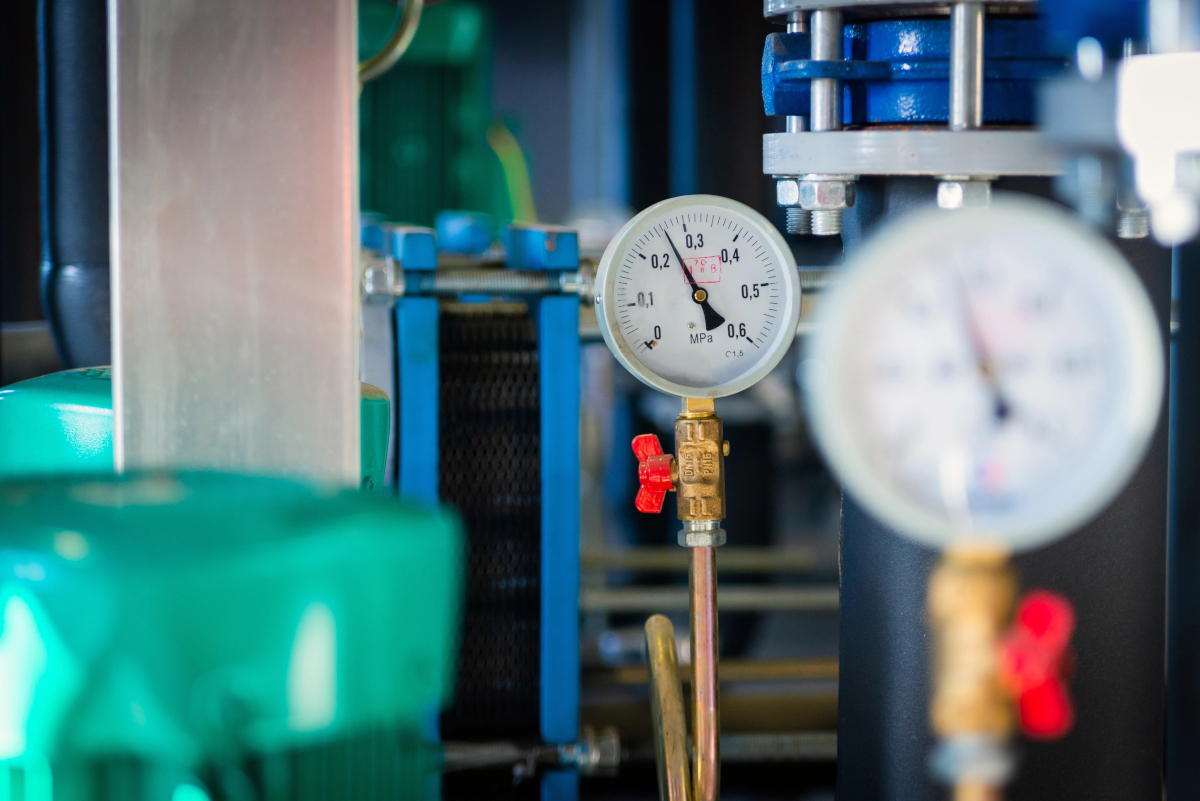
Such heating systems like boilers, for example, are going to be more powerful than standard residential boilers and thus require more extensive testing. As explained by commercial heating specialists Cedar Green, commercial boilers contain “outputs typically exceeding 150Kw,” and such systems can “consist of one large boiler or a series of smaller ones to meet heating demands,” depending on the installation complexity and premises coverage.
You must hold a valid commercial gas safety certificate to avoid being in breach of UK gas safety regulations, otherwise, you may be subject to fines of up to £6,000 and possible imprisonment for serious offences. Invalid gas safety certification also typically renders your business insurance coverage invalid, leaving you financially responsible in the event of an incident.
What gets checked during a gas inspection?
During an annual gas safety inspection, a qualified engineer will examine your entire gas system setup and installation. This includes (but is not limited to):
- Signs of damage or misuse
- Pressure and functionality testing
- Testing and inspection of flues, ventilation and combustion efficiency
The engineer will issue the appropriate certificate for your premises. For commercial kitchens, this is typically:
- A CP42 certificate (catering equipment)
- A CP15 certificate (boilers)
- A CP17 certificate (general commercial property)
- A CP44 certificate (commercial food businesses running via vehicles or trailers)
These must be kept for at least two years and made available to the HSE or your insurer on request. Focus 360 Energy provides a detailed breakdown of all the various gas safety certificates for further information.
Additional Gas Safety checks
While annual safety inspections are legally required, some types of businesses require additional mandatory testing.
- Under IGEM/UP/1A standards, gas pipework over 35mm in diameter must undergo a tightness test every five years, or after new installations or modifications. This checks for leaks and fitting and connection stability.
- Commercial kitchens with gas interlocks that shut off gas supplies, when extraction fails, should have these emergency safety features tested every six months to ensure proper functionality.
Choosing the right gas engineer
Only Gas Safe registered engineers with valid qualifications and accreditations can legally work on commercial gas systems. Those qualified to conduct domestic boiler inspections and issue certificates don’t immediately qualify to cover commercial installations. Before hiring anyone, confirm their credentials and that they hold the specific qualifications required for your type of premises and equipment.
It’s good business hygiene to maintain a register of all gas appliances on your premises, including the initial installation paperwork and details of the make, model and location. Gas safety certificates should be stored physically with digital backups, and reminders well before expiry dates should be enforced to avoid any lapse in certification and possible void of business insurance.
The Gas Safe Register explains all the essential criteria to look out for when considering a registered engineer, including ID card details and commercial work categories they’re qualified to work on, from gas-fired engines and wet central heating to direct-fired air heaters, radiant tube or plaque heaters and plant and equipment.
What happens when things go wrong?
If an engineer identifies a safety issue during inspection, they will classify it as either ‘at risk’ or ‘immediately dangerous’. Immediately dangerous situations require the gas supply to be isolated immediately. At-risk situations mean you can continue operating temporarily, but repairs must be completed promptly and a follow-up inspection arranged.
It’s important that safety decisions are not overridden, and that repairs aren’t delayed extensively. Gas leaks are very serious and can lead to carbon monoxide poisoning, fire risks and explosions if equipment is not properly inspected, tested and fixed.
Next steps
For businesses new to commercial gas safety compliance, begin by listing all gas appliances on your premises. Confirm when they were last inspected and validate you have up-to-date certificates. If you are unsure or cannot locate certificates, arrange a gas safety inspection promptly.
Going forward, it makes sense to schedule your annual inspections at the same time each year to establish a routine. Many engineers offer reminder services and preferential rates for regular customers. Furthermore, consider booking inspections during quieter periods to minimise disruption.
While commercial gas safety might seem like yet another legal compliance burden, it represents a pivotal protection measure for your business and your people. Getting a firm grip on your obligations and maintenance requirements, your East Lancashire business can operate safely, legally and with full peace of mind knowing there’s one less thing to worry about as your company grows.
For more member news, click here.